Skip to content
Circulation plays a quiet but essential role in how the body feels and functions each day. When blood flow is limited, muscles may feel heavy, recovery can take longer, and energy levels often dip. Many people notice these changes without immediately connecting them to circulation, assuming it is just part of stress, aging, or a busy lifestyle.
Massage therapy is often associated with relaxation, but its impact on circulation deserves closer attention. At Faith Family Health, massage therapy in Princeton, WV, is approached as a practical wellness tool that supports blood flow, muscle health, and overall comfort through thoughtful, individualized care.
Why Circulation Matters More Than You Might Think
Healthy circulation ensures that oxygen and nutrients reach tissues throughout the body while supporting the removal of metabolic waste. When circulation slows, muscles and joints may feel stiff, sore, or slow to recover after activity.
Poor circulation is commonly associated with:
- Muscle tension and fatigue
- Cold hands and feet
- Swelling in the legs or ankles
- Longer recovery times after physical strain
Massage therapy’s circulation benefits are rooted in how manual techniques interact with soft tissue, helping the body move blood more efficiently through muscles and connective tissue.
The Connection Between Massage Therapy and Blood Flow
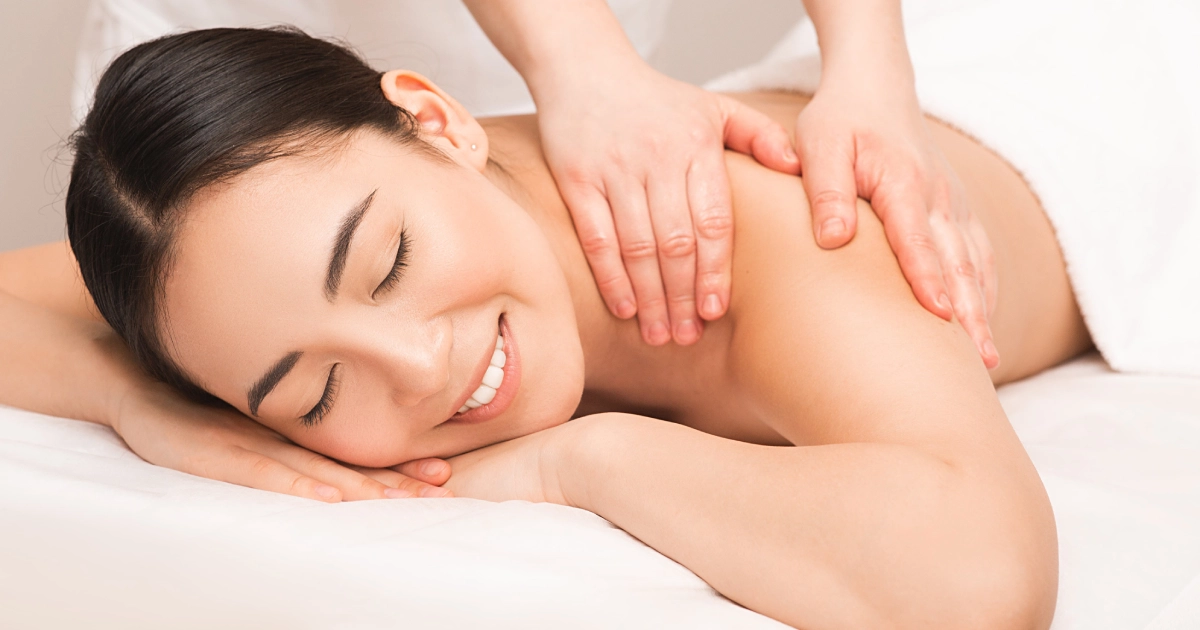
Massage therapy improves circulation by applying rhythmic pressure and movement to muscles and soft tissue. This pressure helps encourage blood to move through congested areas while supporting the return of blood to the heart.
During a massage session, blood vessels temporarily widen in response to pressure and warmth. This allows more oxygen-rich blood to reach muscles, supporting tissue health and flexibility.
Improving blood flow with massage is not about forcing circulation but about creating conditions that help the body do what it already does naturally.
How Massage Therapy Supports Venous and Lymphatic Flow
Circulation involves more than arteries carrying blood away from the heart. Veins and the lymphatic system play equally essential roles in returning fluids toward the core of the body.
Massage for better circulation often supports:
- Venous return, which helps prevent pooling in the lower extremities
- Lymphatic movement, which assists with fluid balance and swelling reduction
Gentle, consistent pressure helps guide fluid movement, which may be particularly helpful for individuals who spend long hours sitting or standing.
Massage Therapy and Muscle Relaxation
Tight muscles can compress blood vessels, limiting circulation in certain areas. Massage therapy helps release muscle tension, allowing blood vessels to expand and function more efficiently.
When muscles relax:
- Blood flow improves locally
- Oxygen delivery becomes more efficient
- Muscles feel less fatigued and heavy
This is one reason people often feel lighter or more comfortable after a massage therapy session.
Circulation-Boosting Massage Techniques Explained
Different massage techniques support circulation in various ways. A skilled therapist selects techniques based on individual needs rather than applying a single approach to everyone.
Swedish Massage
This technique uses long, flowing strokes that move toward the heart. Swedish massage is often associated with relaxation, but it also supports circulation by promoting consistent blood flow.
Therapeutic Massage
Therapeutic massage focuses on areas of tension or discomfort. By addressing tight muscles it helps reduce pressure on blood vessels, supporting improved circulation in targeted areas.
Medical Massage
Medical massage may be used for chronic pain or injury recovery. Improving circulation in affected areas can support healing and reduce stiffness over time.
These circulation-boosting massage techniques are often combined to meet individual comfort levels and wellness goals.
Massage Therapy for Cardiovascular Health Support
Massage therapy is not a replacement for medical cardiovascular care, but it can complement a healthy lifestyle. By supporting circulation and reducing muscle tension, massage therapy may help the body better manage physical stress.
Benefits related to cardiovascular wellness include:
- Improved blood flow efficiency
- Reduced muscle-related discomfort
- Enhanced relaxation response
Massage therapy for cardiovascular health works best when combined with regular movement, hydration, and medical guidance when needed.
Massage Therapy and Stress-Related Circulation Changes
Stress can significantly affect circulation. When stress levels rise, blood flow may be redirected away from muscles toward vital organs as part of the body’s response system.
Massage therapy encourages relaxation, which can help:
- Lower muscle tension
- Support steadier blood flow
- Promote a sense of calm
Reducing stress-related tension allows circulation to return to normal, supporting both physical comfort and mental well-being.
How Massage Therapy Supports Recovery and Healing
After physical activity or injury, circulation plays a key role in recovery. Massage therapy can support this process by increasing blood flow to affected areas.
Massage therapy circulation benefits during recovery include:
- Delivering oxygen and nutrients to tissues
- Supporting the removal of metabolic waste
- Reducing muscle tightness
For individuals recovering from injuries or managing chronic pain, massage therapy can be part of a broader care plan focused on comfort and function.
Common Areas Where Circulation Benefits Are Felt
Massage therapy supports circulation throughout the body, but some areas often show noticeable improvement.
Lower Extremities
Improved circulation in the legs may help reduce swelling and discomfort associated with prolonged standing or sitting.
Back and Shoulders
Releasing tension in these areas can improve blood flow and reduce feelings of heaviness or stiffness.
Neck and Upper Body
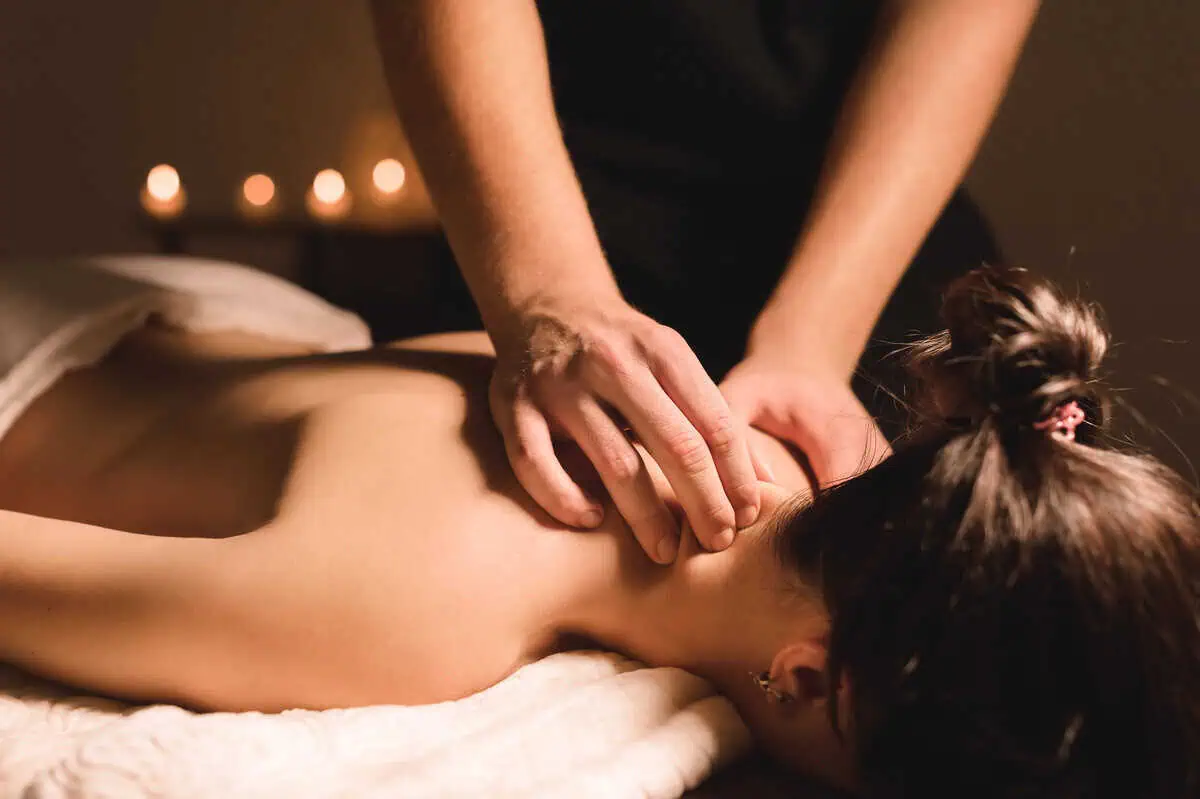
Improved circulation may support comfort and mobility, especially for individuals with desk-related tension.
Massage Therapy as Part of Holistic Wellness
Circulation affects nearly every system in the body. Massage therapy supports circulation and contributes to relaxation, recovery, and overall comfort.
When paired with healthy habits such as hydration, movement, and mindful rest, massage therapy can help individuals feel more balanced and supported in daily life.
Feel the Benefits of Better Circulation
If you are interested in supporting circulation, relaxation, and muscle comfort, massage therapy may be a meaningful addition to your routine. Faith Family Health offers massage therapy in Princeton, WV, designed with care, professionalism, and individual needs in mind.
Schedule a massage therapy session and feel the difference.
A thoughtful session can support circulation, ease tension, and help you move through your day with greater comfort.